Every year, dozens of industrial workers suffer serious injuries—or worse—during maintenance operations because equipment was accidentally energized. These incidents aren't just preventable—they're indefensible in the modern workplace. Lockout Tagout Safety Ltd exists in this high-stakes gap between risk and responsibility, offering tailored systems, training, and equipment to ensure machines stay offline when workers are on the line.
For facilities in manufacturing, energy, or processing, "LOTO" is more than an acronym. It's a legal requirement, a duty of care, and a cornerstone of operational integrity. Yet many organizations still treat lockout tagout as a box-ticking exercise rather than a living safety protocol. Lockout Tagout Safety Ltd steps in to transform that mindset—moving companies from reactive compliance to proactive protection.
What Lockout Tagout Safety Ltd Actually Does
Lockout Tagout Safety Ltd isn’t a generic safety vendor. It specializes in end-to-end LOTO program development that aligns with OSHA 1910.147, PUWER, and other international safety standards. Their services go beyond selling locks and tags—they audit existing procedures, design customized lockout workflows, train personnel, and supply durable control devices engineered for real-world use.
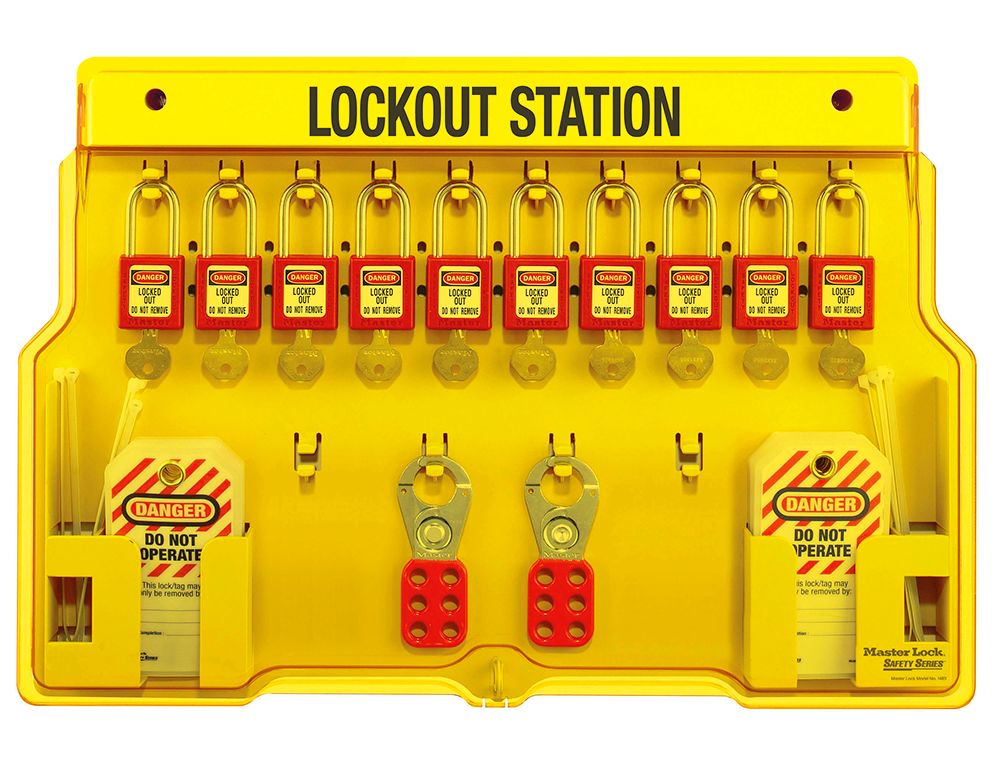
Unlike off-the-shelf LOTO kits from big-box suppliers, their solutions account for the complexity of modern machinery. For example, a hydraulic press in an automotive plant may require multiple energy sources—electrical, pneumatic, and mechanical—to be isolated simultaneously. Lockout Tagout Safety Ltd maps these energy pathways and provides group lockout stations, hasp kits, and verification tools to ensure complete de-energization.
They also address human factors: shift changes, contractor access, and multilingual workforces. Their tag systems include pictograms and color-coded labels that transcend language barriers, reducing miscommunication during handovers.
The Hidden Gaps in Standard LOTO Programs
Many companies believe they’re compliant because they have locks on machines. But compliance isn’t about hardware alone—it’s about process fidelity. Lockout Tagout Safety Ltd identifies common blind spots:
- Incomplete energy source identification: Workers isolate electrical power but overlook stored hydraulic pressure or gravity-fed components.
- Single-person focus: Procedures assume one technician handles isolation, but group maintenance is common in large facilities.
- Lack of verification: Locks are applied, but voltage or pressure isn’t tested before work begins.
- Poor documentation: No records of lockout duration, personnel involved, or equipment status post-maintenance.
One food processing plant, after a near-miss involving a conveyor restart, engaged Lockout Tagout Safety Ltd for a review. The audit revealed that 60% of isolation procedures failed to address residual kinetic energy. The company had locks and tags—but no standardized verification step. Lockout Tagout Safety Ltd implemented test-before-touch protocols and introduced lockout verification checklists, reducing energy-related incidents to zero over the next 18 months.
Building a Site-Specific LOTO Program
A cookie-cutter approach fails when machines vary across a facility. Lockout Tagout Safety Ltd builds site-specific programs by:

- Conducting energy source inventories for each machine.
- Mapping isolation points and specifying required lockout devices.
- Developing machine-specific procedures with step-by-step instructions.
- Training authorized and affected employees using real equipment scenarios.
- Establishing periodic audits to ensure ongoing adherence.
For example, a pharmaceutical manufacturer with automated filling lines needed LOTO procedures that accommodated frequent changeovers. Lockout Tagout Safety Ltd created modular lockout kits with quick-attach clamps and RFID-tagged locks that tied into the facility’s digital work order system. Technicians could scan a lock to log their isolation status, creating an auditable trail without slowing production.
This level of customization turns LOTO from a static rule into a dynamic part of operations.
Critical LOTO Equipment Supplied by Lockout Tagout Safety Ltd
Hardware matters—especially when lives depend on it. Lockout Tagout Safety Ltd supplies industrial-grade devices built to withstand extreme environments. Their inventory includes:
| Product Type | Key Features | Common Use Case |
|---|---|---|
| Group Lockout Stations | Multi-lock hasps, durable steel construction | Team maintenance on large equipment |
| Valve Lockouts | Adjustable, chemical-resistant polymer | Isolating fluid lines in processing plants |
| Circuit Breaker Locks | Universal fit, tamper-proof design | Electrical panels in manufacturing |
| Plug Lockouts | Weather-resistant, padlock-compatible | Disconnecting portable machinery |
| Lockout Hasps | Expandable, allows multiple locks | Shared isolation points |
These aren’t novelty items—they’re engineered for reliability. A steel mill, for instance, replaced flimsy plastic lockouts with Lockout Tagout Safety Ltd’s high-temperature valve locks, which resist deformation in 300°C environments. That small upgrade eliminated two emergency shutdowns caused by failed isolation.
Training That Changes Behavior, Not Just Awareness
A lock is only as effective as the person applying it. Lockout Tagout Safety Ltd’s training programs focus on behavioral change, not just certification. Their instructors—often former plant engineers or safety managers—use real failure data and facility-specific simulations.
Workers don’t just learn how to lock out; they learn why shortcuts fail. One session includes a “ghost machine” exercise: a decommissioned press rigged to start unexpectedly when proper LOTO steps are skipped. The visceral reaction—flinching at the sudden movement—drives home the stakes more effectively than any video.
Training covers: - Recognizing stored energy types - Using lockout kits correctly - Communicating during shift changes - Responding to unauthorized re-energization
Crucially, sessions are offered in multiple languages and include literacy-appropriate materials, ensuring comprehension across diverse teams.
The Cost of Ignoring LOTO—And the ROI of Getting It Right
Fines for LOTO violations are steep. OSHA penalties can exceed $15,000 per violation, with willful or repeated offenses reaching $156,000. But the real cost is human: the average amputation claim exceeds $80,000 in direct workers’ comp, not counting downtime, turnover, and reputational damage.
Lockout Tagout Safety Ltd helps companies calculate their risk exposure and the ROI of prevention. One client, a packaging facility, estimated that implementing a full LOTO overhaul cost $42,000. But by avoiding just one recordable incident per year, they saved over $65,000 annually in insurance premiums and lost productivity.
Beyond compliance, clients report secondary benefits: - Faster maintenance cycles due to clearer procedures - Improved cross-team coordination - Higher employee trust in safety systems
Integrating LOTO Into Broader Safety Management

Lockout Tagout Safety Ltd doesn’t operate in a silo. Their systems integrate with CMMS platforms, digital work permits, and enterprise safety software. For instance, a chemical plant linked their LOTO tags to a mobile inspection app. When a technician initiates lockout, the system automatically flags the machine as offline, blocks production scheduling, and notifies supervisors.
This digital layer adds accountability and reduces administrative burden. Audit trails are generated automatically, and expired locks trigger alerts—no more manual tracking spreadsheets.
For companies pursuing ISO 45001 or similar certifications, this integration provides the documented evidence auditors demand.
Real-World Impact: A Case from the Rail Industry
A rail maintenance depot faced recurring issues with locomotive servicing. Technicians often bypassed lockout, citing time pressure and unclear procedures. After two close calls, management brought in Lockout Tagout Safety Ltd.
The solution included: - Machine-specific LOTO procedures for each locomotive model - Magnetic lockout stations mounted near service bays - Lockout verification logs tied to maintenance checklists - Refresher training with VR simulations of high-risk scenarios
Within six months, compliance rose from 48% to 94%. More importantly, maintenance-related injuries dropped to zero—and technician feedback highlighted increased confidence during servicing.
This wasn’t just policy enforcement. It was culture change—driven by practical tools and consistent support.
Take Control Before the Next Incident
Lockout Tagout Safety Ltd doesn’t sell safety—it enables it. Their approach blends technical precision with human insight, creating LOTO systems that work in the real world, not just on paper. Whether you’re managing a single plant or a multi-site operation, the cost of inaction is too high.
Start by auditing your current lockout procedures. Are they site-specific? Are employees trained and verified? Do your devices match the hazards present? If the answer to any is “no,” it’s time to engage a specialist who treats safety as a system—not a sticker.
Protect your people. Protect your operations. Partner with expertise that makes LOTO not just compliant, but unbreakable.
What is the main focus of Lockout Tagout Safety Ltd? They specialize in comprehensive lockout tagout programs, including risk assessment, equipment supply, training, and procedure development tailored to industrial environments.
How does Lockout Tagout Safety Ltd differ from standard safety suppliers? They provide customized LOTO solutions based on machine-specific energy sources, not generic kits. Their services include audits, verification protocols, and integration with digital systems.
Can they support multilingual workforces? Yes. Their training and labeling systems use visual cues, color coding, and multilingual tags to ensure clarity across language barriers.
Do they comply with OSHA and international standards? Absolutely. Their programs align with OSHA 1910.147, PUWER, ISO 45001, and other global safety regulations.
What types of industries benefit most from their services? Manufacturing, energy, rail, pharmaceuticals, food processing, and any sector with complex machinery requiring maintenance under energy isolation.
Is their equipment suitable for harsh environments? Yes. They supply industrial-grade lockout devices resistant to heat, chemicals, moisture, and physical stress—engineered for real-world conditions.
Can they integrate with existing maintenance software? Yes. Their systems can interface with CMMS, work order platforms, and digital permit-to-work tools for seamless operational integration.
FAQ
What should you look for in Lockout Tagout Safety Ltd: Protecting Workplaces with Precision? Focus on relevance, practical value, and how well the solution matches real user intent.
Is Lockout Tagout Safety Ltd: Protecting Workplaces with Precision suitable for beginners? That depends on the workflow, but a clear step-by-step approach usually makes it easier to start.
How do you compare options around Lockout Tagout Safety Ltd: Protecting Workplaces with Precision? Compare features, trust signals, limitations, pricing, and ease of implementation.
What mistakes should you avoid? Avoid generic choices, weak validation, and decisions based only on marketing claims.
What is the next best step? Shortlist the most relevant options, validate them quickly, and refine from real-world results.